
Luck or skill which truly dominates the gambling landscape
The Role of Luck in Gambling
Luck plays a significant role in gambling, often being viewed as the primary factor determining the outcome of games. Whether it’s spinning the reels on a slot machine or drawing a card in poker, chance heavily influences the results. This randomness is what makes gambling exciting and unpredictable. Players often find themselves caught in a cycle of highs and lows, where a single fortunate spin or hand can lead to substantial winnings, while a series of bad beats can deplete their bankroll quickly. Many feel the allure of places like https://qbetcasinos-uk.com/ as they promise thrilling gaming opportunities.
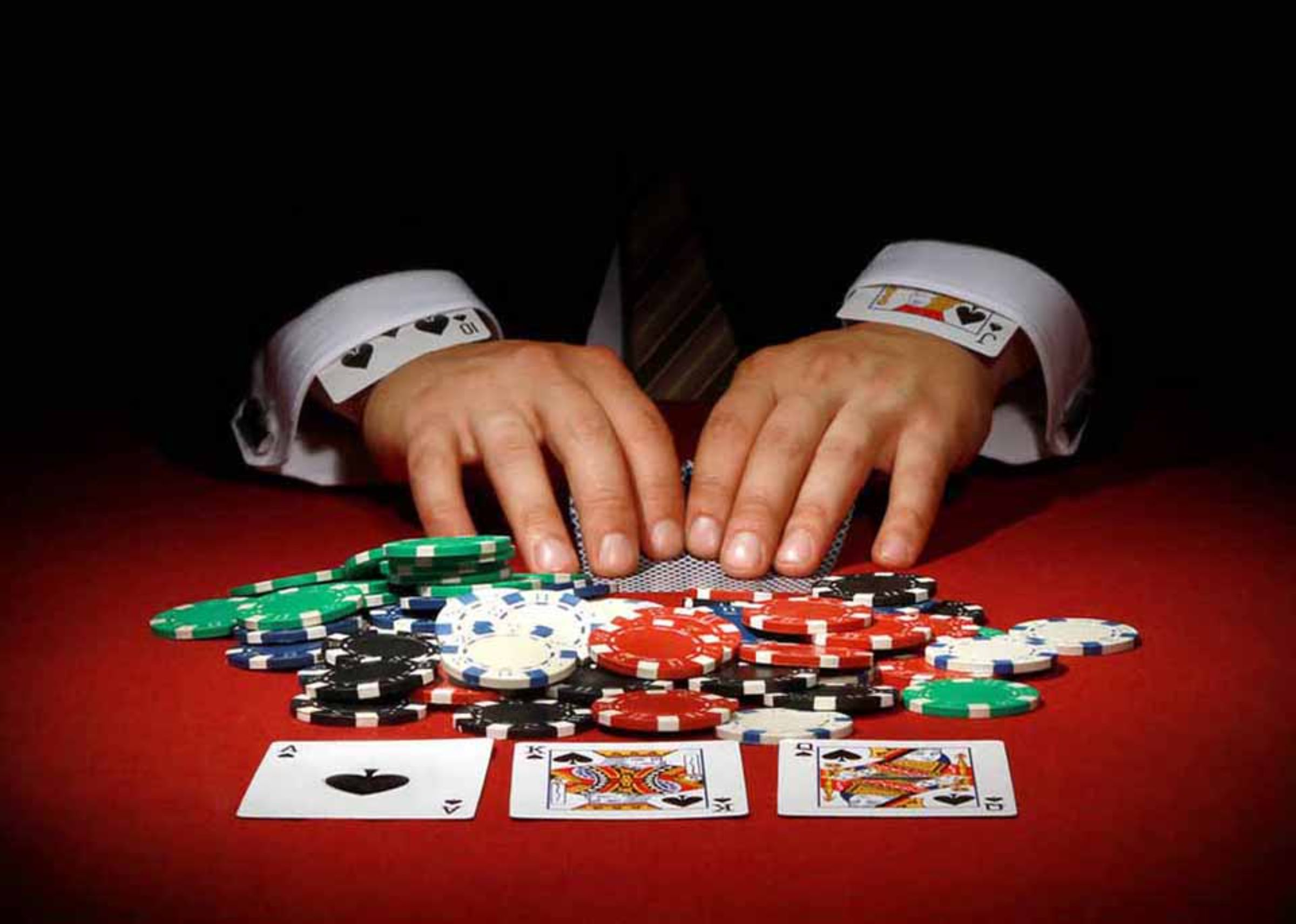
Many gamblers believe that luck is an inherent quality, meaning that some players are simply more fortunate than others. This belief leads to the idea that luck can be influenced by superstitions, such as carrying lucky charms or performing specific rituals before placing a bet. While these actions may provide psychological comfort, they do not change the statistical probabilities underlying the games. Understanding that luck is a fleeting component can help players manage their expectations and gamble responsibly.
The reliance on luck also contributes to the allure of gambling. It attracts a diverse range of individuals, from casual players hoping for a big win to seasoned gamblers who understand the odds yet still relish the thrill of chance. While luck can lead to spectacular wins, it can just as easily result in losses, underscoring the unpredictable nature of the gambling world.
The Importance of Skill in Gambling
While luck is undeniably a factor, skill is equally crucial in many gambling scenarios, particularly in games that require strategy and knowledge. Poker, for example, is a game where skill can substantially tilt the odds in favor of a well-trained player. Those who understand the intricacies of betting, bluffing, and reading opponents can consistently outperform novice players. This skill-based approach not only enhances the enjoyment of the game but also provides a competitive edge.
In casino games such as blackjack, the role of skill becomes even more apparent. Players who employ basic strategy can reduce the house edge significantly, making informed decisions based on statistical probabilities. Unlike games of pure chance, skill-based games offer players the opportunity to influence outcomes through practice, study, and strategic thinking. This distinction illustrates that while luck can lead to short-term success, skill can deliver long-term gains.
Furthermore, the concept of skill extends beyond individual games. Successful gamblers often possess traits such as discipline, emotional control, and a solid understanding of bankroll management. These attributes enable players to make calculated decisions rather than impulsive ones, ultimately leading to a more sustainable gambling practice. Thus, in the intricate dance between luck and skill, skill may hold more weight in the long run.
Myths Surrounding Luck and Skill
Numerous myths perpetuate the belief that luck or skill is the predominant force in gambling. One common myth is that winning streaks or losing streaks are indicators of future outcomes. Many gamblers operate under the fallacy of “hot” or “cold” machines, believing that a slot machine that hasn’t paid out is due for a win. In reality, each spin is an independent event, and such beliefs can lead to misguided strategies and potential losses.
Another prevalent myth is that more experienced players always win due to their skill level. While skill can certainly provide an advantage, it does not guarantee success in every session. The unpredictability of luck means that even the most skilled player can face challenges and losses. This misconception can discourage newcomers, making them feel as though they are at an insurmountable disadvantage.
Ultimately, debunking these myths requires an understanding of the mathematical foundations of gambling. By recognizing that both luck and skill play roles in gambling, players can make more informed decisions and approach their gaming experience with a balanced mindset. Acknowledging the interplay of these two elements can lead to a more enjoyable and responsible gambling experience.
The Psychological Aspect of Gambling
The psychological aspects of gambling are closely intertwined with the themes of luck and skill. Players often grapple with their emotions, particularly when faced with wins and losses. The thrill of a big win can lead to overconfidence, while a series of losses can result in frustration and desperation. Understanding these psychological factors is crucial for managing gambling behavior and avoiding pitfalls associated with addiction.
Additionally, the perception of control plays a significant role in how players view their chances. Many gamblers engage in various mental strategies, convincing themselves that they have influence over luck. This can manifest through rituals or patterns they believe will enhance their luck, even when the underlying mechanics of the game suggest otherwise. Recognizing the limits of control can help players approach their gambling in a more balanced manner, focusing on enjoyment rather than outcomes.
The psychological interplay of luck and skill can also affect how players respond to wins and losses. Those who view their success as a product of skill are more likely to persist and improve, while those who attribute their losses solely to bad luck may become disheartened. This understanding of the psychological dimensions of gambling underscores the importance of fostering a healthy approach to both luck and skill in the gambling landscape.

Conclusion: Finding Balance in Gambling
In the dynamic world of gambling, both luck and skill have their places, influencing outcomes in different ways. Recognizing the roles each plays can lead to a more fulfilling and responsible gambling experience. Players should aim to find a balance between understanding the randomness of luck and the strategic elements of skill to enhance their overall enjoyment.
As online gaming platforms like Qbet Casino UK continue to evolve, they offer players the chance to explore this balance through a vast array of games. With over 5,000 options available, players can engage in both luck-based games and skill-driven experiences. Bonuses and rewards can further enhance the experience, encouraging players to engage with the platform in a meaningful way.
Ultimately, whether one leans towards luck or skill, the key is to enjoy the experience while remaining mindful of the risks involved. By fostering a responsible gambling mindset and understanding the interplay of these two critical factors, players can navigate the gambling landscape more effectively and enjoyably.